Loading page...
Our Story
Our Story
2005: One man. One continent. One very big a-ha moment.
Our story, like yours, starts long before your students were born.
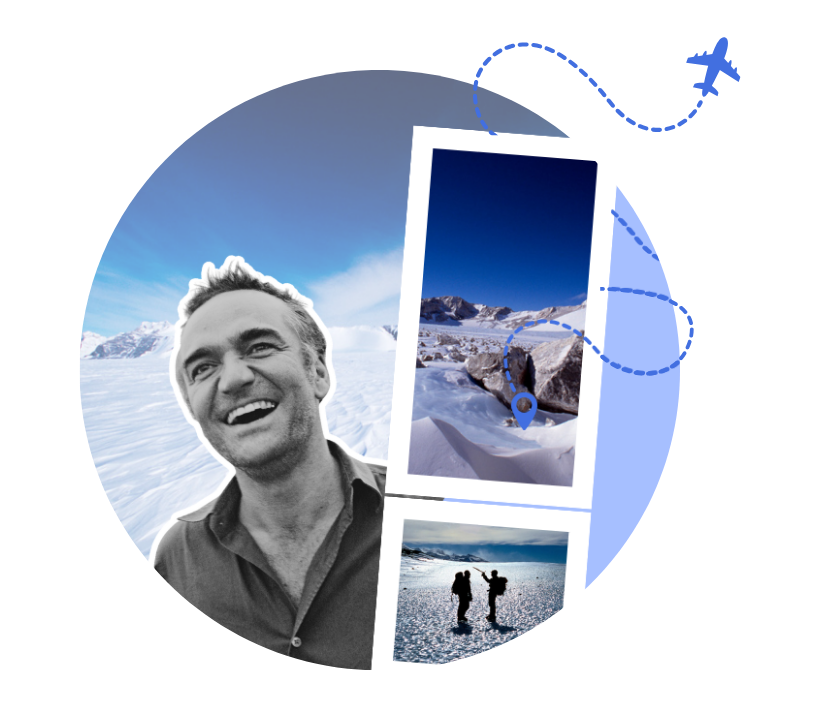
It’s 2005: the era of MySpace, the iPod Shuffle, and early flip phones. It’s also the year Jason Kimberley trekked through Antarctica.
What he saw there opened his eyes to the systemic damage to our environment, ecosystems, and communities. For a continent humans romanticise as being beautiful, hostile, and untouched, the undeniable impacts of human exploitation and misuse were everywhere.
In researching his book, Antarctica: A Different Adventure, Jason found that boatloads of humans were coming to Antarctica and netting unregistered, unsanctioned catches of krill.
Hauling the krill back, they used it as an additive in feed pellets for cattle grazing on cleared Amazonian rainforest, growing animals that would die to become hamburgers sent to the United States of America.
The very organisms vital to the food system in Antarctica were being harvested to beef up cows to feed people thousands of kilometres away. All the while, decimating the Antarctic food webs and ignoring the important role krill plays in regulating our Earth’s climate.
Guided by the belief that ‘we can continue to destroy or we can learn to change. The choice is ours,’ Jason wrestled with how humans could show more care for our world, repair the damage, and better understand the problems facing our environment.
A man of many lightbulb moments, he thought, ‘Education!’ and that’s how the then Cool Australia was born.
2008: Big thinkers meet big doers.
Jason knew what you already know. That teachers and educators are at the heart of our communities. If you want children and young people to be excited about and by learning, and if you want that learning to be meaningful and relevant, you need the support of the experts (that’s you, amazing educator)!
So he set out to create teaching resources that would help educators teach about what matters beyond the classroom. And to make sure they were exactly what teachers needed, he committed to deeply weaving the curriculum into each resource.
When Jason thought about the many asks already on educators, he knew that educators already pay enough with passion, time, and, in many cases, their own money. So he committed to making sure they were free. They still are, by the way.
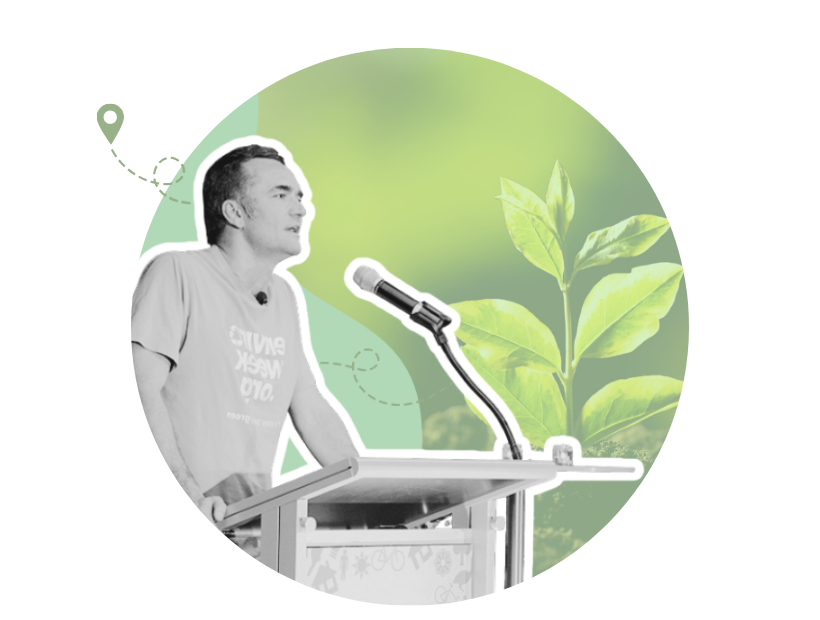
He quickly realised that making the resources free didn’t mean they could be made for free. He also knew he didn’t know enough about the important environmental issues impacting our world. So he set about assembling movers and shakers, experts and educators, funders and partners, creative and critical thinkers (and a lot of doers) to join the mission.
In 2008, Cool Australia’s first free, environment-centred resources were downloaded by Aussie teachers
and taught to children and young people.
2015: Making education Cooler. Again.
(Time machine leap)
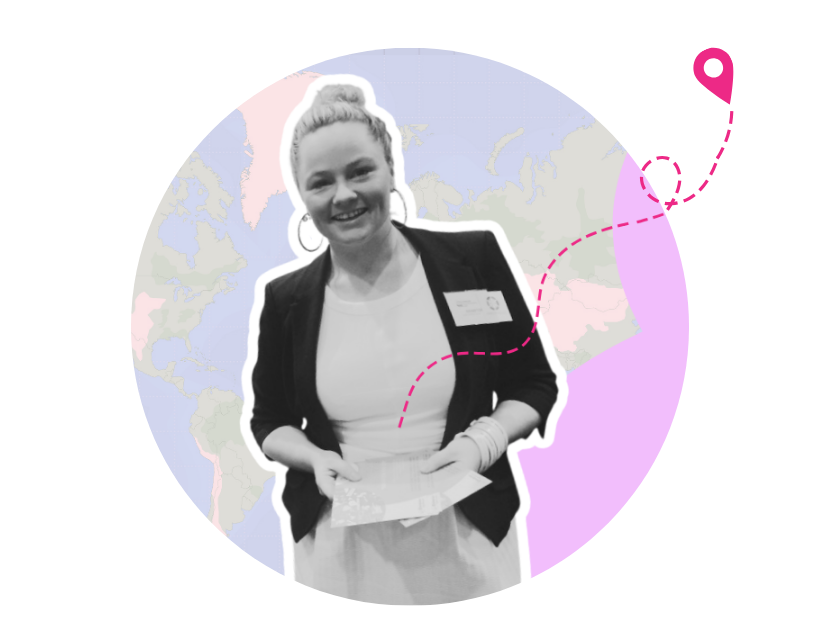
In the year of Adele saying ‘Hello’, the dress, and the Paris Climate Agreement —also known as 2015–Cool Australia heard what educators were saying: teachers needed resources to help them teach about sensitive, essential, and in some cases, tricky topics their students were asking about.
Worries about poverty, homelessness, and social inequality. Concerns around mental health, wellbeing, and belonging. Support teaching First Nations perspectives. All were in high demand, because children, young people, and educators cared about more than our environment.
And so the team set about becoming more than just the environmental education people.
They set out to become the real-world education people.
2020: Social distancing, but make it connected. (Figuratively)
(Zoom to a time many of us would rather forget.)
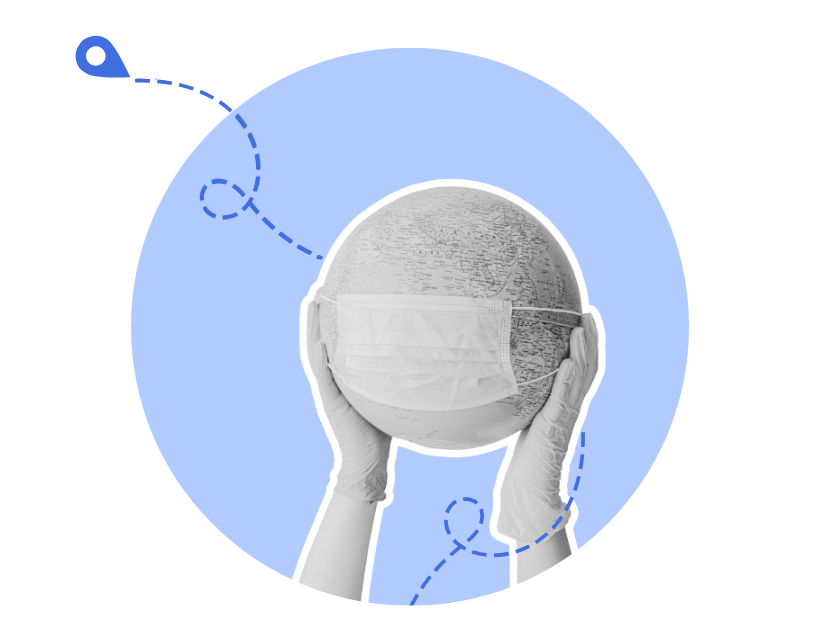
The time of masks, social distancing, and remote teaching: COVID-19 lockdowns. ‘Unprecedented’ might be overused, but that’s the reality. Children and young people, educators and parents, and even our own team of humans needed a connection to something bigger than their laptops. More meaningful than fear. A salve for the feelings of helplessness and hopelessness.
So Cool Australia created a library of learn-at-home resources. Each resource brought our wide world into the lessons happening at dining tables, on the couch, and at desks around Australia.
Every new learn-at-home lesson created space for hope and meaningful,
connected learning during a time of immense isolation.
2023: What’s Who’s in a name?
(A final fast-forward, but not the end of the story.)
Like many of the greats (Freddie Mercury, Elton John, Muhammad Ali, Marilyn Monroe, to name a few), we changed our name and our look. In 2023, Cool Australia became Cool.org.
This change was more than just a new name, website, and logo.
It recognised the history, represented the present, and envisioned the future.
Of the organisation that started with one man seeing a problem and acting out of hope.
Of a team who have committed to bringing a special mix of hope and the real world into education.
Of a community of partners, funders, and subject matter experts who have backed the importance of education in achieving change for people, place, and planet.
Of educators who got into teaching for the same reason we did, to make a difference, and who turn up to do just that every day.
And of children and young people who have learned about their worlds because of educators.
2026: Back to the future.
In 2026, Cool.org is re-imagining real-world education.
Free, trusted resources will always be at the heart of what we do.
The vision for what comes next is educators, partners, and young people working together to weave the threads of hope and agency through every learning experience, inside and outside the classroom. Because learning happens wherever young people are, and that learning shapes the futures of our young people and our planet.
What started as an 18-day trek has turned into a globally recognised educational movement endorsed by the likes of UNESCO and Harvard. To think that people told Jason Kimberley that it ‘wouldn’t work’ when he started out.
Our story isn’t finished. Whether you’re new or a seasoned user of our resources, an organisation ready to join our community, or here to learn about what we do:
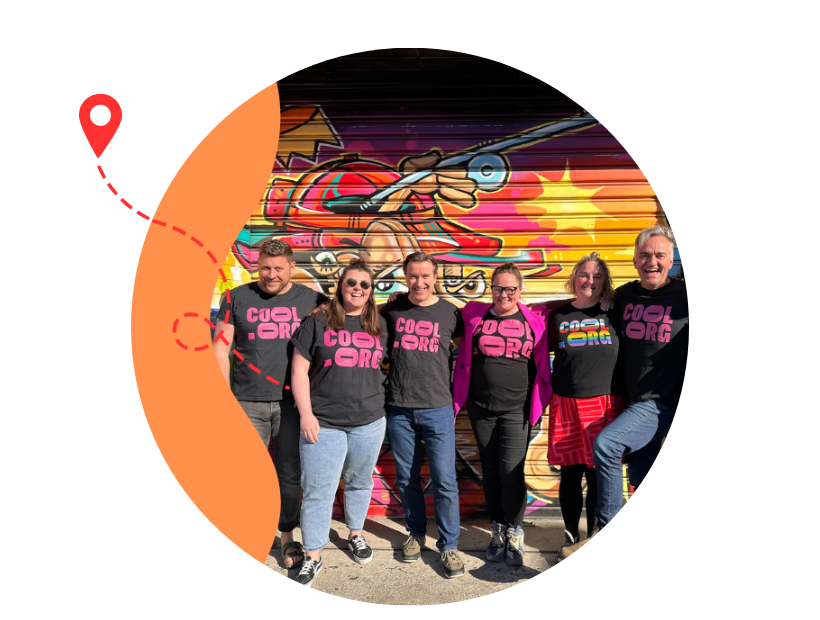
We’re Cool.org, and so are you. Thanks for joining us.