Get Cool+

STEM Professional Learning for Australian Primary Teachers

  • Become a Primary
    STEM Leader

    Spark curiosity and inspire discovery in your primary classroom with Cool.org’s year-long STEM Professional Learning Pathway. Developed just for primary educators, this program will equip you with hands-on techniques and proven strategies to grow your STEM teaching skills—empowering you to become a bold innovator in early STEM education.

We’ve mapped out a staged pathway that will prepare you to integrate STEM education effectively, adapt to technological advancements and inspire students to succeed in a rapidly evolving world.

How it works

LevelCategoryCourse
1FoundationIntroduction to Primary STEM
How to Teach Science More Effectively
2ProficiencyDigital Tech for STEM Classrooms
Inspire Young Scientists in the Primary Classroom
How to Teach Creative Thinking for STEM
3MasteryAdvocating for STEM
Save the World with STEM
4InnovationIntegrating STEM Through Project-Based Learning
Get Creative With STEM

Scaffolding your learning and development

StageZone of LearningBloom’s Taxonomy LevelDescription
1FoundationRememberingReflects a base level of knowledge and comprehension, establishing a solid groundwork.
Define, duplicate, list, memorise, repeat, state, classify, describe, discuss, explain, identify, locate, recognise, report, select, translate
Understanding
2ProficiencyApplyingHighlights the development of practical skills and the ability to break down information and apply it effectively.
Execute, implement, solve, use, demonstrate, interpret, operate, schedule, sketch, differentiate, organise, relate, compare, contrast, distinguish, examine, experiment, question, test
Analysing
3MasteryEvaluatingSignifies advanced competence, where the ability to critically assess and make judgments is emphasized.
Appraise, argue, defend, judge, select, support, value, critique, weigh
Evaluating
4InnovationCreatingIndicates the highest level of proficiency, where the creation of new and original work demonstrates expert understanding and capability.
Design, assemble, construct, conjecture, develop, formulate, author, investigate
Creating

Creating Your Plan

Use the information on this page and the Cool.org planning document to assess your skills, set your goals, choose the courses that interest you and track your learnings across the stages.
Download plan.pdf

What is STEM?

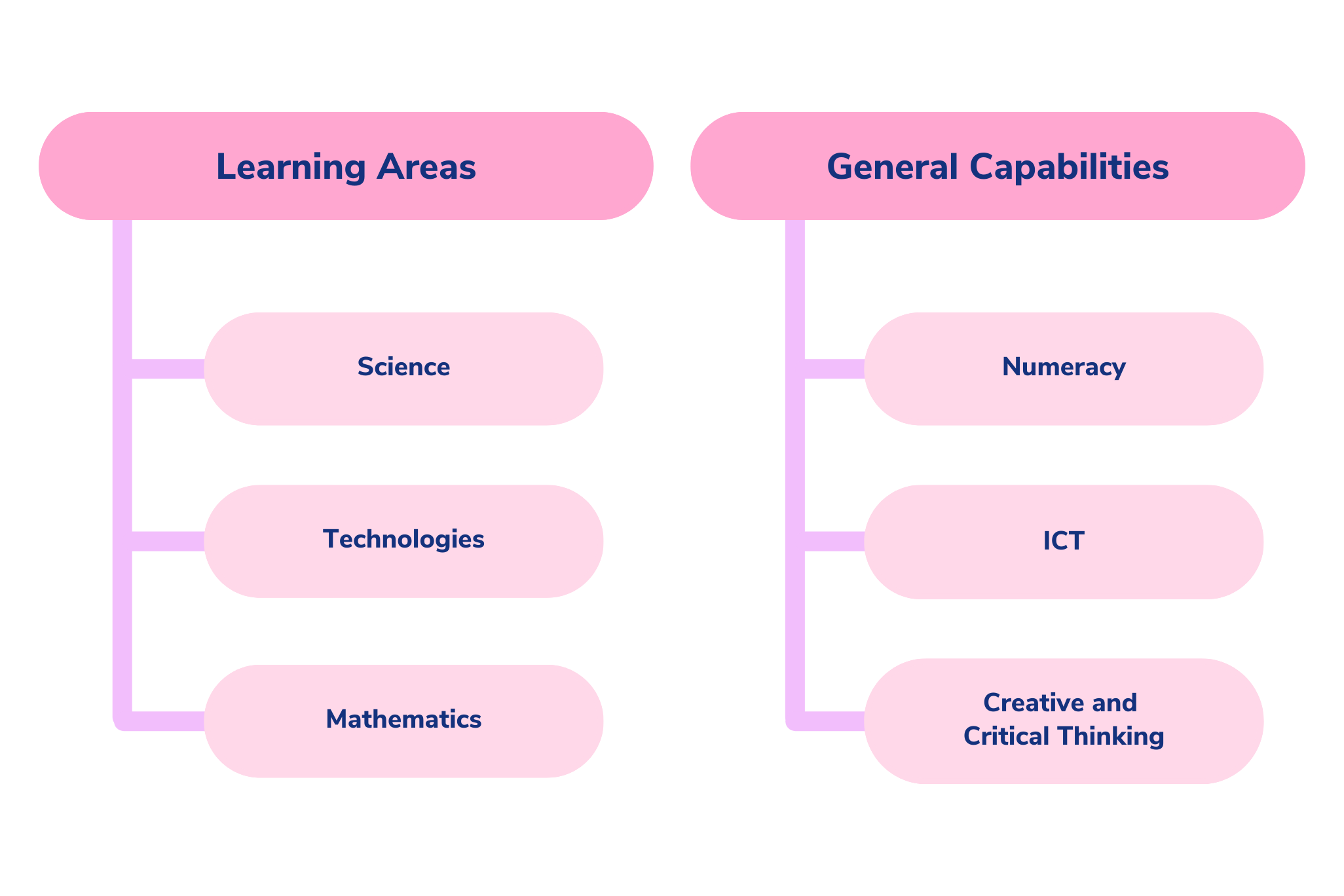
STEM is an approach to learning that integrates the areas of science, technology, engineering and mathematics. STEM is incorporated into the Australian Curriculum in the following learning areas and general capabilities.

Continuous technological advancements are transforming how students learn, connect, and interact daily. Skills acquired through STEM education provide a strong foundation for their success in school and beyond. International research shows that 75% of the fastest-growing occupations now require STEM skills and knowledge. Therefore, it is crucial to equip young people with the skills necessary to thrive as successful and engaged citizens in our complex and dynamic society. (Source)
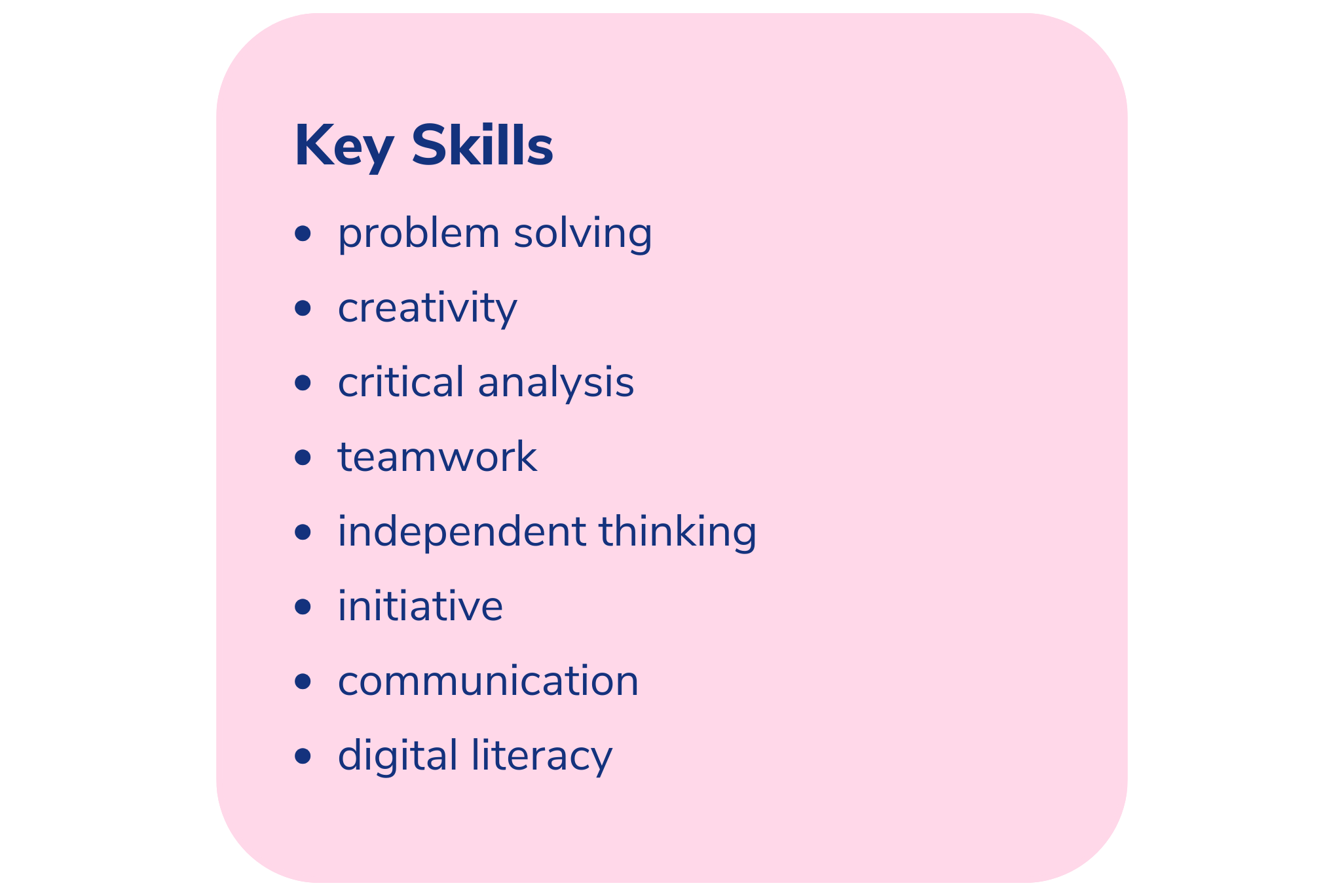
Why Become a STEM Innovator?

Strengthening your STEM teaching capabilities enhances educational outcomes and
Teaching these key STEM skills through hands-on real-world applications is crucial for preparing students for future careers and a rapidly changing world

Teaching STEM

The STEM Connections research project by ACARA found that STEM understanding, knowledge and skills are strengthened when connections between learning areas are emphasised and when learning areas combine to find authentic learning opportunities for students in answer to an identified problem or in the creation of a solution.
Foundation Zone

      Proficiency Zone

            Mastery Zone

                Innovation Zone

                    Can I log this PD with my State's teaching authority?

                    Yes! Our courses are mapped to the Australian Professional Teacher Standards (AITSL), and your completion can be logged as elective PD hours with your state's teaching regulatory authority. To do this, grab your certificates of completion from your personal dashboard once each individual course is complete.

                    How long will this take to complete?

                    This sequence is designed to be undertaken over the course of a year. 16 hours over 8 Professional learning courses.

                    Will I get proof of completion?

                    You will get a cool.org certificate of completion for each individual course you complete.You can access this certificate (and your course progress!) anytime via your personal dashboard. We also offer a certificate for those who reach the innovation level of this pathway. Please email us at info@cool.org

                    Is this course accredited?

                    This course is mapped to the Professional Standards for Teachers. It is accredited for teacher professional development hours in the following states and territories:

                    Proficient Teacher - all states and territories (except NSW and ACT)

                    • 2.1 Apply knowledge of the content and teaching strategies of the teaching area to develop engaging teaching activities.
                    • 2.2 Organise content into coherent, well-sequenced learning and teaching program
                    • 3.2 Plan and implement well-structured learning and teaching programs or lesson sequences that engage students and promote learning.
                    • 3.3 Select and use relevant teaching strategies to develop knowledge, skills, problem solving and critical and creative thinking.
                    • 3.4 Select and/or create and use a range of resources, including ICT, to engage students in their learning.
                    • 6.1 Use the Australian Professional Standards for Teachers and advice from colleagues to identify and plan professional learning needs.
                    • 6.2 Participate in learning to update knowledge and practice, targeted to professional needs and school and/or system priorities.
                    • 6.4 Undertake professional learning programs designed to address identified student learning needs.
                    FlagsFlags

                    Cool Australia acknowledges the traditional custodians of the land on which we live, learn and work, and pays respect to their Elders past and present, and to all Aboriginal and Torres Strait Islander peoples. Cool celebrates the world's oldest living culture and acknowledges that sovereignty was never ceded.

                    Cool.org
                    PO Box 1062, Windsor,
                    Melbourne/Naarm, 3181

                    Australia Flag
                    Cool.org operates across Australia, in metro, regional and rural areas.
                    Cool+ on Instagram - opens in new tabCool+ on Facebook - opens in new tabCool+ on LinkedIn - opens in new tab

                    Want to find out more?
                    Drop us a line to find out more:

                    Donate to Cool!
                    Help us keep improving our resources.

                    Donate
                    About Us
                    About us
                    Impact
                    Contact us
                    Partners
                    Donate
                    Governance
                    Events
                    Privacy Policy
                    Terms and Conditions
                    Hope Framework
                    Act Framework
                    Upgrade to Cool+
                    Free Teaching Resources
                    Free Professional Learning
                    Secondary STEM Professional Learning Plan
                    Primary STEM Professional Learning Plan
                    Learning Design Methodology
                    Subjects
                    Aboriginal and Torres Strait Islander Histories and Cultures
                    Biology
                    English
                    Geography
                    Health and Physical Education
                    History
                    Humanities and Social Sciences
                    Learning Through Literature
                    Learning Through Film
                    Mathematics
                    Science
                    The Arts
                    Technology
                    Educators
                    Early Learning
                    Primary
                    Secondary
                    Parents
                    Casual Relief Teachers
                    Years
                    Foundation
                    Year 1
                    Year 2
                    Year 3
                    Year 4
                    Year 5
                    Year 6
                    Year 7
                    Year 8
                    Year 9
                    Year 10
                    Topics
                    Environmental
                    Social
                    Economic
                    Mental Health
                    Outdoor learning
                    Online safety
                    Biodiversity
                    Climate Change
                    Conservation
                    Energy
                    Oceans
                    Recycling
                    Sustainability
                    Water
                    Human Rights
                    Mindfulness and Meditation
                    Physical Health
                    Design Thinking
                    Financial Literacy
                    Renewable Energy
                    Projects
                    2040 Film
                    Amy’s Balancing Act
                    Australian Native Animals
                    Beyond the Bushfires
                    Blue: The Film
                    Blueback Film
                    Bluey-inspired Resources
                    Caring for Country
                    Clean Up Australia Day
                    Climate Literacy Resources
                    Cool Burning
                    Digital Inclusion
                    Digital Licence+ Education Resources
                    Disaster Resilience
                    Diversity and Inclusion
                    Earth Hour
                    Embrace Kids
                    eSafety for Kids
                    Fast Fashion
                    Healthy and Safe Relationships Resources
                    Jump Rope for Heart
                    LifeChanger
                    Love Food? Love Bees!
                    Meaningful Moments
                    MobileMuster Schools Competition
                    NAIDOC Week
                    National Reconciliation Week
                    National Recycling Week
                    Net-zero Jobs
                    Phonics Resources
                    Poverty and Inequality
                    Regenerating Australia
                    Resilient Australia
                    Science Week Education Resources
                    School Holiday Resources
                    Schools Tree Day Resources
                    Some Happy Day Education Resources
                    STEM and STEAM Resources
                    Stop The Coward Punch
                    SugarByHalf Nutrition Resources
                    Tackling Racism Through Sport
                    Take 3 For The Sea
                    The Final Quarter
                    The Last Daughter
                    The Life You Can Save
                    The Olympic Games Resources
                    The War on Waste
                    Trailblazers Education Resources
                    Toyota Dream Car
                    Social Emotional Learning Teaching Strategies
                    Behaviour and Classroom Management Teaching Strategies
                    Harmony Day Teaching Resources
                    Literacy Teaching Resources
                    Deep Time History Resources
                    Teacher Wellbeing
                    Superstars of STEM
                    International Women's Day
                    Self-Esteem and Confidence
                    World Mental Health Day
                    Earth Day Teaching Resources
                    Neuroscience in Education
                    Media Literacy and Critical Thinking Teaching Resources