- Activity
Deadly Reads for 0-5 Year Olds
- Early Learning
- English
- Reading
- Social
- Indigenous Education
Loading page...
National Reconciliation Week (27 May - 3 June) is a time for all Australians to learn about our shared histories, cultures, and achievements, and to explore how each of us can contribute to achieving reconciliation in Australia.
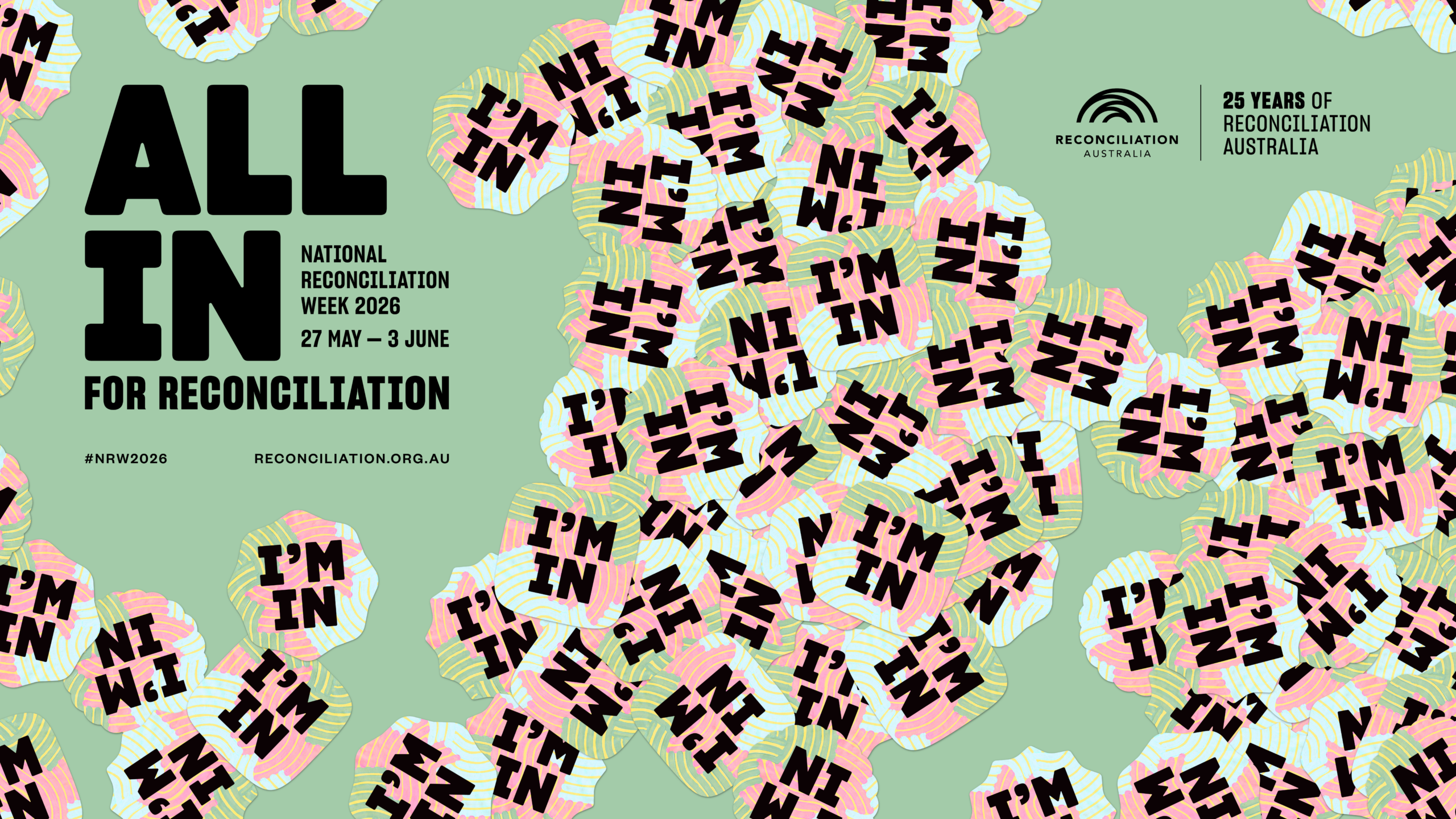
This year’s theme, All In, is a powerful reminder that reconciliation is everyone’s responsibility. It’s an ongoing commitment to listening, learning, and taking action to build respect, connection, and understanding. We have curriculum-aligned lessons for all levels that are ideal for extending the theme of reconciliation into the classroom.
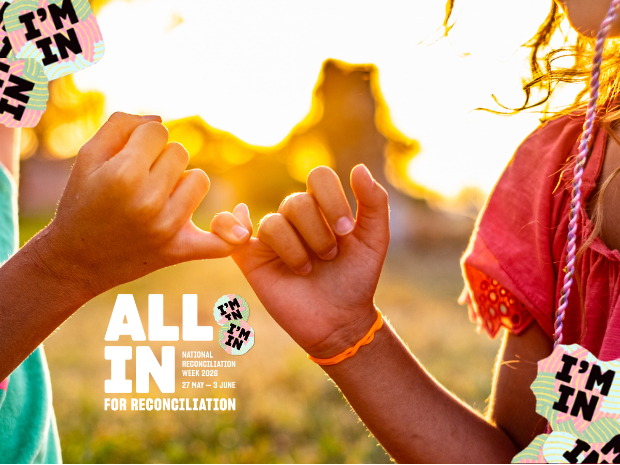
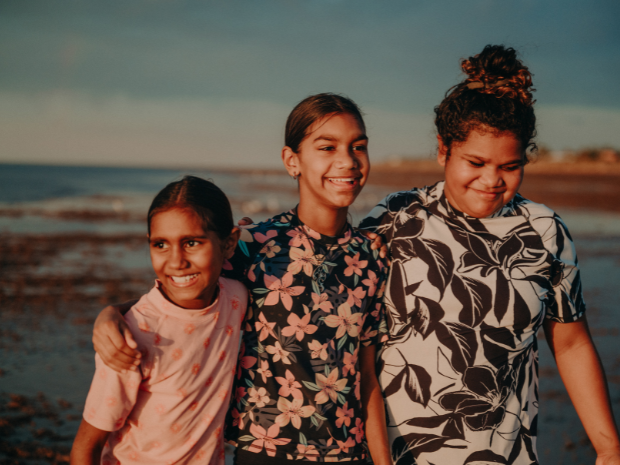
Each of us has a role in reconciliation, and in 2026 we’re called to go All In. Teachers can shape inclusive classrooms that value Aboriginal and Torres Strait Islander peoples, histories, cultures, and perspectives.
Cool.org offers curriculum-aligned lessons that build understanding of social issues, critical thinking and action, helping students engage with reconciliation in positive and meaningful ways.
Reconciliation in Education is a program run by Reconciliation Australia that supports all schools and early learning services in Australia to develop environments that foster a higher level of knowledge and pride in Aboriginal and Torres Strait Islander histories, cultures and contributions. Narragunnawali (pronounced narra-gunna-wally) is a word from the language of the Ngunnawal people, Traditional Owners of the land on which Reconciliation Australia’s Canberra office is located, meaning alive, wellbeing, coming together and peace.
Narragunnawali’s online platform is free to access and provides practical ways to introduce meaningful reconciliation initiatives in the classroom, around the school and with the community. Through the Narragunnawali platform, schools and early learning services can develop a Reconciliation Action Plan (RAP), and teachers and educators can access professional learning and curriculum resources to support the implementation of reconciliation initiatives.