Get Cool+
Aboriginal flagTorres Strait Islanders flag

Cool Australia acknowledges the traditional custodians of the land on which we live, learn and work, and pays respect to their Elders past and present, and to all Aboriginal and Torres Strait Islander peoples. Cool celebrates the world's oldest living culture and acknowledges that sovereignty was never ceded.

Cool.org
PO Box 1062, Windsor,
Melbourne/Naarm, 3181

Australia FlagCool.org operates across Australia, in metro, regional and rural areas.
Cool+ on Instagram - opens in new tabCool+ on Facebook - opens in new tabCool+ on LinkedIn - opens in new tab

Want to find out more?
Drop us a line to find out more:

Contact us

Donate to Cool!
Help us keep improving our resources.

Donate
About Us
About usImpactContact usPartnersDonateGovernanceEventsPrivacy PolicyTerms and ConditionsHope FrameworkAct FrameworkUpgrade to Cool+Free Teaching ResourcesFree Professional LearningSecondary STEM Professional Learning PlanPrimary STEM Professional Learning PlanLearning Design Methodology
Subjects
Aboriginal and Torres Strait Islander Histories and CulturesBiologyEnglishGeographyHealth and Physical EducationHistoryHumanities and Social SciencesLearning Through LiteratureLearning Through FilmMathematicsScienceThe ArtsTechnology
Topics
EnvironmentalSocialEconomicMental HealthOutdoor learningOnline safetyBiodiversityClimate ChangeConservationEnergyOceansRecyclingSustainabilityWaterHuman RightsMindfulness and MeditationPhysical HealthDesign ThinkingFinancial LiteracyRenewable Energy
Projects
2040 FilmAmy’s Balancing ActAustralian Native AnimalsBeyond the BushfiresBlue: The FilmBlueback FilmBluey-inspired ResourcesCaring for CountryClean Up Australia DayClimate Literacy ResourcesCool BurningDigital InclusionDigital Licence+ Education ResourcesDisaster ResilienceDiversity and InclusionEarth HourEmbrace KidseSafety for KidsFast FashionHealthy and Safe Relationships ResourcesJump Rope for HeartLifeChangerLove Food? Love Bees!Meaningful MomentsMobileMuster Schools CompetitionNAIDOC WeekNational Reconciliation WeekNational Recycling WeekNet-zero JobsPhonics ResourcesPoverty and InequalityRegenerating AustraliaResilient AustraliaScience Week Education ResourcesSchool Holiday ResourcesSchools Tree Day ResourcesSome Happy Day Education ResourcesSTEM and STEAM ResourcesStop The Coward PunchSugarByHalf Nutrition ResourcesTackling Racism Through SportTake 3 For The SeaThe Final QuarterThe Last DaughterThe Life You Can SaveThe Olympic Games ResourcesThe War on WasteTrailblazers Education ResourcesToyota Dream CarSocial Emotional Learning Teaching StrategiesBehaviour and Classroom Management Teaching StrategiesHarmony Day Teaching ResourcesLiteracy Teaching ResourcesDeep Time History ResourcesTeacher WellbeingSuperstars of STEMInternational Women's DaySelf-Esteem and Confidence World Mental Health DayEarth Day Teaching ResourcesNeuroscience in EducationMedia Literacy and Critical Thinking Teaching Resources
Educators
Early LearningPrimarySecondaryParentsCasual Relief Teachers
Years
FoundationYear 1Year 2Year 3Year 4Year 5Year 6Year 7Year 8Year 9Year 10
Feature Image

From Traditional to Space: Exploring Sustainable Agriculture

SecondaryYear 9Humanities and Social SciencesGeographyEnvironmentalLand ManagementSustainability

Go to

These resources are part of the Regenerative Farming suite of resources, created in collaboration with our generous values-aligned and philanthropic partners, the Macdoch Foundation and Regen Studios.

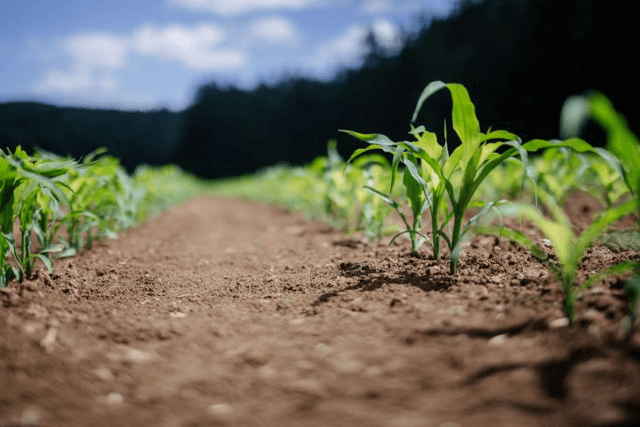
This Year 9 Geography unit, From Traditional to Space: Exploring Sustainable Agriculture, has been designed to

  • introduce learners to regenerative agriculture 

  • explore the differences between agricultural practices since European arrival in Australia and how/why these practices have changed over time

  • investigate the relationship between soil health and water management in farming

  • help young people understand the importance of biodiversity in soil health and productivity

  • dig deep into the roles of minibeasts, farmers and consumers in food production

  • consider different conditions needed on different planets and research breakthroughs in food for astronauts and food growing in space

  • incorporate research activities, short video making, student-led experiments, infographic design, debates, regenerative garden planning and intergalactic research activity to excite and engage learners.

Explore

Feature Image
  • Lesson
  • Free
    Tuning Into Traditional Farming Methods
    SecondaryYear 9Humanities and Social SciencesGeographyEnvironmental
    Feature Image
  • Lesson
  • Free
    Tuning Into Regenerative Farming Practices
    SecondaryYear 9Humanities and Social SciencesGeographyEnvironmental
    Feature Image
  • Lesson
  • Free
    Dig Deep Into the Importance of Soil
    SecondaryYear 9Humanities and Social SciencesGeographyEnvironmental
    Feature Image
  • Lesson
  • Free
    Diversity and Biodiversity in Regenerative Agriculture
    SecondaryYear 9Humanities and Social SciencesGeographyEnvironmental
    Feature Image
  • Lesson
  • Free
    The Effects of Low Crop Yields
    SecondaryYear 9Humanities and Social SciencesGeographyEnvironmental
    Feature Image
  • Lesson
  • Free
    Minibeasts, Pollinators, Organics and Pesticides
    SecondaryYear 9Humanities and Social SciencesGeographyEnvironmental
    Feature Image
  • Lesson
  • Free
    Sustainable Farming Practices in Indonesia
    SecondaryYear 9Humanities and Social SciencesGeographyEnvironmental
    Feature Image
  • Lesson
  • Free
    The Role of Native Foods and Botanicals
    SecondaryYear 9Humanities and Social SciencesGeographyEnvironmental
    Feature Image
  • Lesson
  • Free
    Planning a Regenerative Garden: Part A
    SecondaryYear 9Humanities and Social SciencesGeographyEnvironmental
    Feature Image
  • Lesson
  • Free
    Planning a Regenerative Garden: Part B
    SecondaryYear 9Humanities and Social SciencesGeographyEnvironmental
    Feature Image
  • Lesson
  • Free
    Space Agriculture
    SecondaryYear 9Humanities and Social SciencesGeographyEnvironmental

    In this unit

    Explore